
Chipped a Tooth? Bonding vs. Porcelain Veneers: Which Option Is Right for You?
A chipped tooth can happen when you least expect it. Whether it was caused by biting into something hard, a sports injury, or everyday wear and tear, even a small chip can leave you feeling self-conscious every time you smile.
Fortunately, modern cosmetic dentistry offers beautiful solutions that can restore both the appearance and function of your tooth. Two of the most common options are dental bonding and porcelain veneers.
While both treatments can repair a chipped tooth, they aren't designed for the same situations. At APN Dental in Kansas City, we help patients understand their options so they can choose the treatment that best fits their smile, lifestyle, and long-term goals.
Before/After Slider:
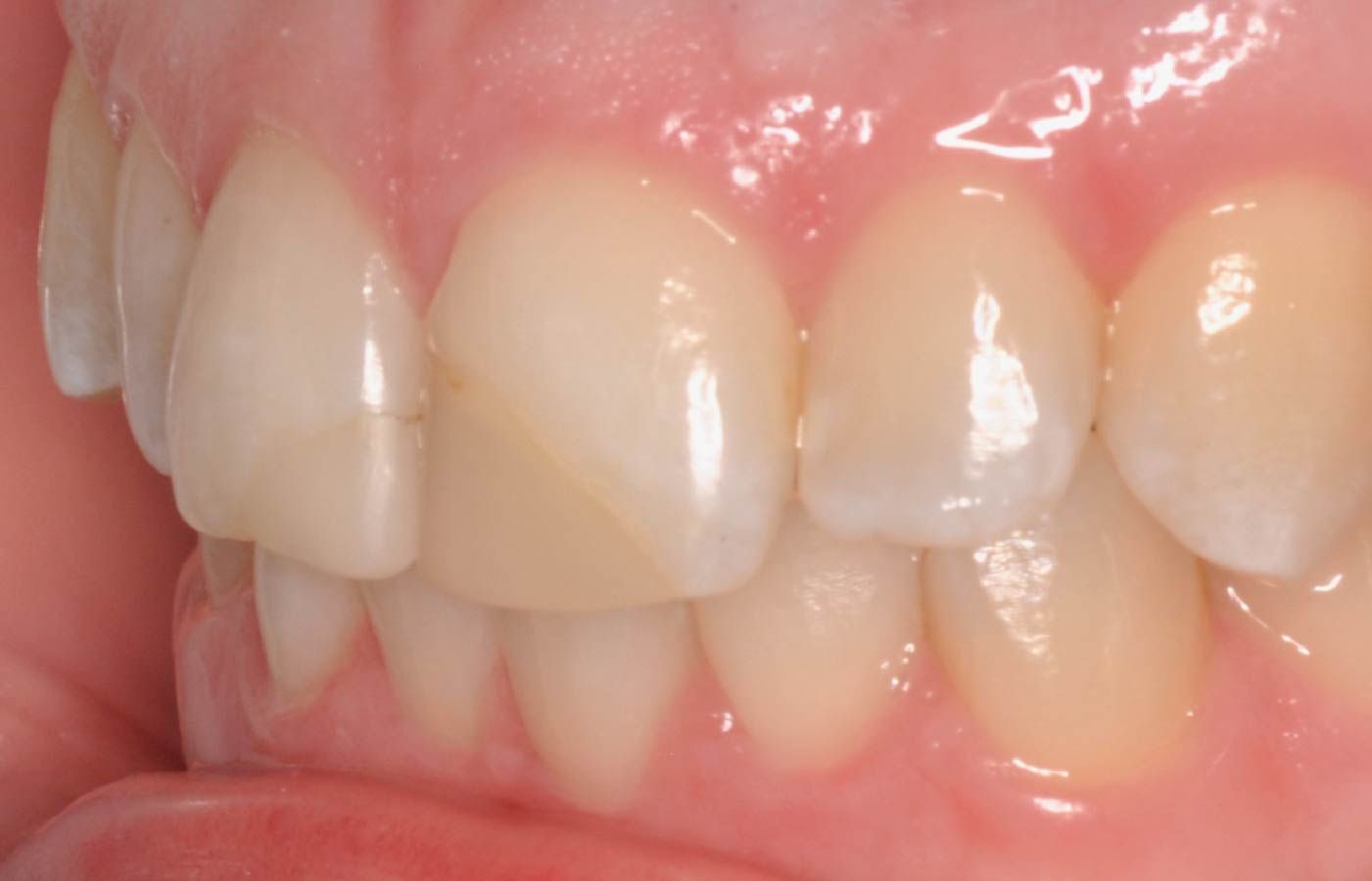
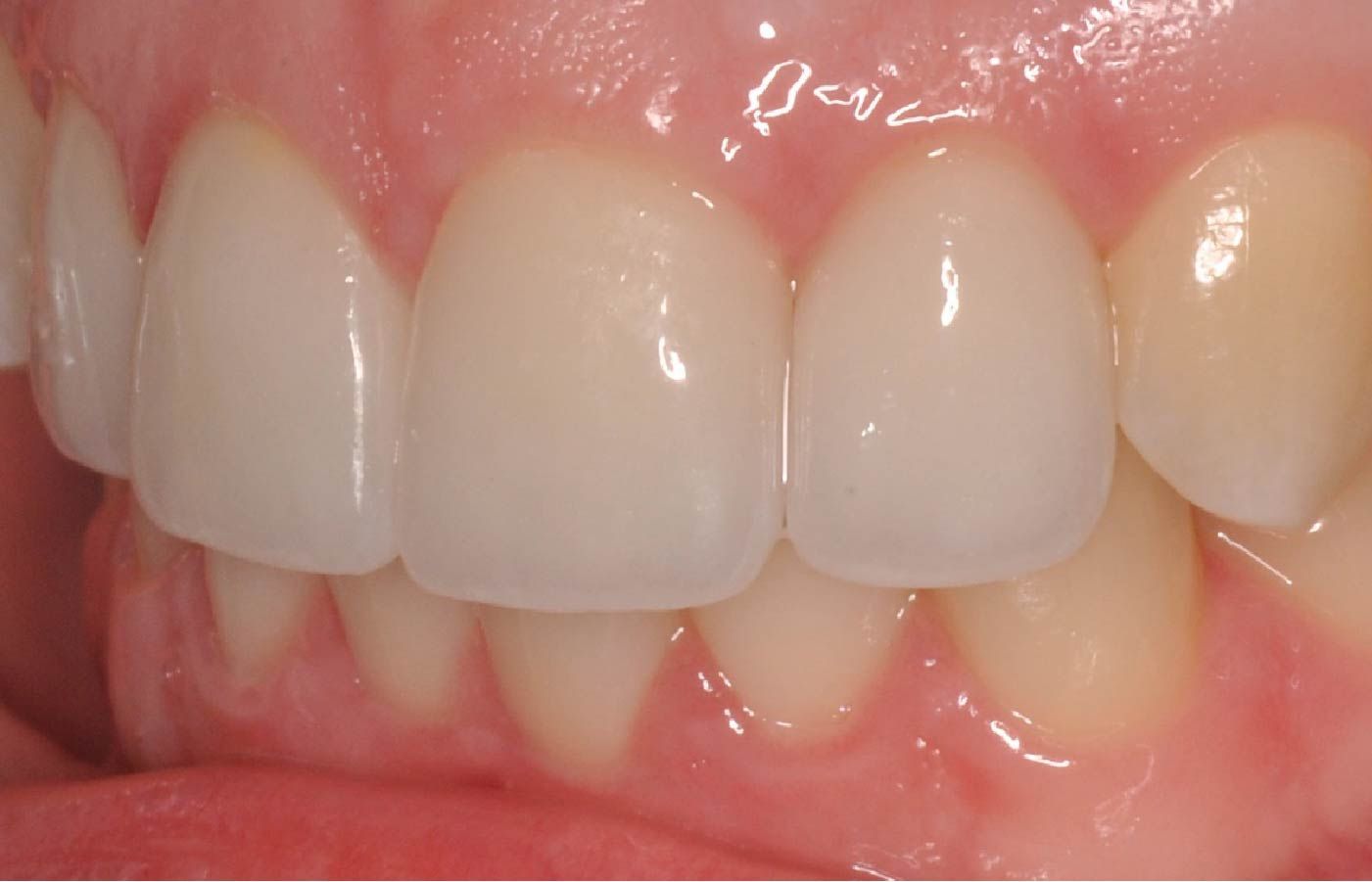
What Is Dental Bonding?
Dental bonding is a conservative cosmetic treatment that uses a tooth-colored composite resin to repair minor imperfections.
Your dentist carefully applies and shapes the resin directly onto the tooth before hardening it with a special curing light. The material is then polished to blend naturally with your surrounding teeth.
Bonding is often recommended for:
- Small chips
- Minor cracks
- Tiny gaps between teeth
- Slight discoloration
- Minor cosmetic touch-ups
Because little to no healthy tooth structure is removed, bonding is an excellent option for small, isolated repairs.
What Are Porcelain Veneers?
Porcelain veneers are ultra-thin, custom-crafted ceramic shells that are permanently bonded to the front of your teeth.
Unlike bonding, veneers don't simply repair the damaged area—they transform the entire visible surface of the tooth. This allows your dentist to improve not only a chip, but also the tooth's color, shape, symmetry, and overall appearance.
Porcelain veneers are an excellent option for patients who want to:
- Repair chipped or worn teeth
- Cover stains that whitening can't remove
- Improve uneven tooth shapes
- Close small gaps
- Create a brighter, more balanced smile
- Achieve a long-lasting smile makeover
Because each veneer is custom designed, the final result looks natural and complements your facial features and smile.
Bonding vs. Porcelain Veneers: A Side-by-Side Comparison
1. Appearance
Both bonding and veneers can produce beautiful cosmetic results. However, porcelain veneers are widely considered the gold standard for smile aesthetics.
Porcelain reflects light similarly to natural enamel, creating a lifelike appearance that's difficult to distinguish from natural teeth. Composite bonding can also look excellent, but over time it may lose some of its polish or become slightly stained.
Advantage: Porcelain Veneers
2. Durability
Dental bonding typically lasts between 3–10 years, depending on your oral hygiene, eating habits, and whether you grind your teeth. Porcelain veneers often last 10–20 years or longer with proper care and regular dental visits.
Their durable ceramic material is highly resistant to everyday wear and staining, making them an excellent long-term investment in your smile.
Advantage: Porcelain Veneers
3. Stain Resistance
Coffee, tea, red wine, and other dark-colored foods can gradually stain composite bonding.
Porcelain veneers, on the other hand, are highly stain-resistant and maintain their bright appearance for many years with proper care.
Advantage: Porcelain Veneers
4. Preserving Natural Tooth Structure
One benefit of dental bonding is that it usually requires little to no removal of healthy tooth structure. Porcelain veneers require removing a very thin layer of enamel so the veneers fit comfortably and look completely natural.
For patients with very small chips and otherwise healthy teeth, bonding may be the more conservative option.
Advantage: Dental Bonding
5. Cost
Dental bonding is generally the more affordable treatment upfront because it can usually be completed in a single visit.
Porcelain veneers represent a larger investment, but many patients appreciate their exceptional longevity, stain resistance, and ability to improve multiple cosmetic concerns at once.
When considering the long-term value, veneers often provide outstanding results that patients enjoy for many years.
Why Many Patients Choose Porcelain Veneers
Although bonding is an excellent solution for minor cosmetic repairs, many patients ultimately choose porcelain veneers because they provide benefits that extend well beyond repairing a chipped tooth.
Porcelain veneers can:
- Repair chips while improving the overall shape of the tooth
- Create a brighter, more uniform smile
- Correct multiple cosmetic concerns with one treatment
- Resist stains better than composite materials
- Maintain their appearance for many years
- Deliver natural-looking, customized results
For patients seeking a complete smile enhancement—not just a repair—porcelain veneers often deliver the most dramatic and long-lasting transformation.
When Is Dental Bonding the Better Choice?
While porcelain veneers offer exceptional cosmetic results, they aren't always the right solution.
Dental bonding may be recommended when:
- The chip is very small.
- The tooth is otherwise healthy.
- You're looking for a conservative repair.
- You prefer treatment that can usually be completed in a single appointment.
At APN Dental, our goal is never to recommend more treatment than you need. We'll always explain every appropriate option and help you make an informed decision based on your smile and your goals.
Sometimes Another Treatment Is Best
In some cases, a chipped tooth may require more than bonding or veneers.
If the damage extends deeper into the tooth or compromises its strength, your dentist may recommend:
- A porcelain crown
- Root canal therapy
- Dental implants if the tooth cannot be saved
A comprehensive examination allows us to determine which treatment will provide the healthiest and longest-lasting outcome. help you make an informed decision based on your smile and your goals.
Don't Ignore a Chipped Tooth
Even if your chipped tooth isn't painful, it's important to have it evaluated.
Small chips can grow larger over time, expose sensitive areas of the tooth, create uneven wear, or affect your bite. Early treatment often means more conservative options and better long-term results.
Restore Your Smile with Confidence at APN Dental
Whether you need a simple repair or you're ready for a complete smile transformation, the team at APN Dental is here to help.
During your cosmetic consultation, we'll evaluate your chipped tooth, discuss your goals, and explain whether dental bonding or porcelain veneers will provide the best outcome for your unique smile.
If you're looking for a solution that combines strength, beauty, and long-lasting confidence, porcelain veneers may be the ideal choice.
Schedule your consultation with APN Dental in Kansas City, MO, or Independence, MO today and take the first step toward restoring—and enhancing—your smile.